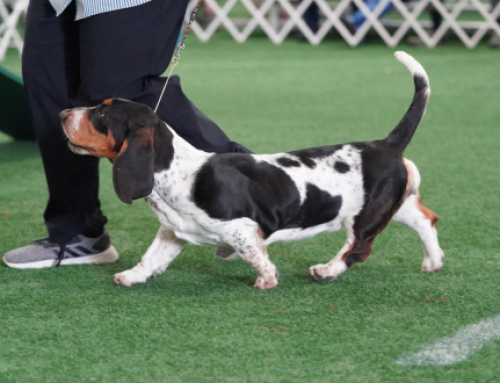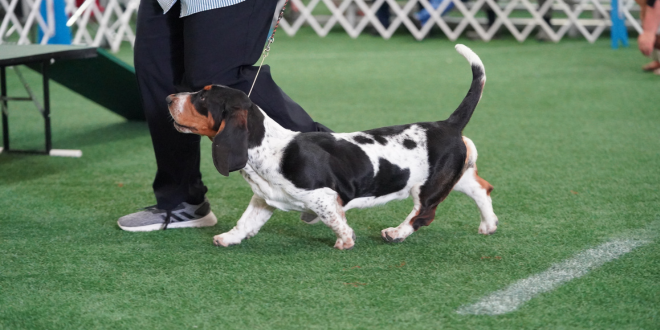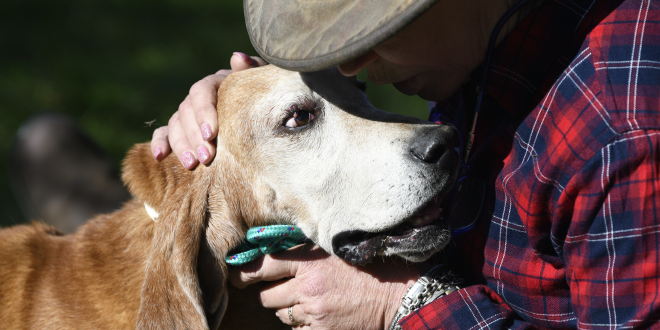

This is a video of the call arranged by the Basset Hound Club of America Health Committee with Paw Print Genetics about their new test for Lafora disease in Basset Hounds, what is known and what is not yet known.

Genetic testing has become an increasingly important tool in modern dog breeding and long-term breed health planning. One condition that often raises questions among breeders and owners is Lafora disease, a progressive neurological disorder that can affect certain breeds. Understanding how this condition is inherited and how genetic testing works allows breeders and owners to make informed, responsible choices.
What is Lafora disease?
Lafora disease is a hereditary form of progressive myoclonic epilepsy. Dogs affected by Lafora typically appear normal early in life, with clinical signs developing later, often in adulthood. These signs may include sensitivity to light or sound, involuntary muscle jerks, seizures, and gradual neurological decline.
Because Lafora disease is inherited, it cannot be prevented through management alone. The most effective way to reduce risk within a breed is through informed breeding decisions supported by genetic testing.
How genetic testing helps
Genetic testing identifies whether a dog is:
-
Clear (not carrying the mutation),
-
A carrier (carries one copy of the mutation but does not develop the disease), or
-
At risk/affected (carries two copies of the mutation).
This information allows breeders to plan matings that protect future generations while preserving genetic diversity. Importantly, carrier dogs do not show symptoms and may still contribute positively to a breeding program when bred responsibly.
Interpreting results responsibly
A genetic test result is a tool, not a verdict. Results should be interpreted in the broader context of:
-
Overall health testing
-
Pedigree analysis
-
Breed diversity
-
Temperament and structure
Responsible breeding focuses on reducing disease risk over time rather than making decisions based on a single test in isolation.
Why education matters for owners and breeders
For owners, understanding genetic conditions like Lafora disease provides clarity, reduces misinformation, and supports proactive health conversations with breeders and veterinarians.
For breeders, education supports transparency, ethical decision-making, and long-term breed stewardship. Open discussions about genetic testing help protect the future of the breed while maintaining trust within the community.
Moving forward with confidence
Advances in canine genetic research continue to provide valuable insights into inherited conditions. When used thoughtfully, genetic testing supports healthier dogs, stronger breeding programs, and informed ownership.
The Basset Hound Club of America encourages ongoing education, participation in recommended health testing programs, and collaboration with veterinary and genetic professionals to support the long-term health of the breed.