Genetic testing plays an important role in protecting the long-term health of the Basset Hound. By identifying inherited diseases and known risk factors, breeders and owners can make informed decisions that support responsible breeding, early detection, and proactive care. This page provides an overview of breed-relevant genetic conditions, recommended testing, and trusted resources to help safeguard the future of the Basset Hound.
Lafora disease is a late-onset (5-7 years of age) inherited neurological disorder affecting a number of breeds including the Basset Hound. The disease is caused by a mutation which produces intracellular accumulation of abnormal glycogen (Lafora bodies). Symptoms are varied and include a characteristic quick and involuntary jerking of the head backward (myoclonus), jaw smacking, panic attacks, impaired vision, loss of balance, aggression and urinary incontinence. Symptoms can occur spontaneously or be triggered by sudden sounds or movements, or flashing/flickering light, and can progress to partial or generalized epileptic seizures. Diet and medication are thought to help in controlling seizures, but Lafora is ultimately fatal.
Dr. Berge Minassian of the University of Texas Southwestern is looking for Basset Hounds, and other breed dogs affected with Lafora disease for potential participation in an upcoming clinical trial. Affected dogs must be genetically confirmed to have Lafora disease, and must have symptoms of the disease.
If you are interested in enrolling a dog in the clinical trial, please contact Dr. Minassian directly at berge.minassian@utsouthwestern.edu
Neogen/Paw Print Genetics has a cheek-swab test for the genetic mutation related to Lafora. Tests can be ordered from Paw Print Genetics at www.pawprintgenetics.com.
BHCA videos explaining Lafora disease
- Click here to view the Health Committee’s Aug 25, 2022 Zoom meeting with Paw Print Genetics about Lafora disease.
- Click here to view the Health Committee’s Sep 20, 2022 Zoom meeting with Dr. Matt Gentry on how Lafora Disease develops and treatments being developed for Lafora disease.
- Click here to view the Health Committee’s Oct 13, 2023 Zoom meeting with Dr. Matt Gentry and Dr. Berge Minassian on progress in research on treatments to reduce symptoms of Lafora disease on both dogs and humans.
Overview
Cancer is a leading health concern in dogs, including Basset Hounds. According to the American Animal Hospital Association (AAHA), approximately 50% of dogs over the age of 10 will develop cancer.
While this statistic can feel overwhelming, it is important to remember that many cancers are treatable or manageable, especially when detected early. Continued research—supported by organizations such as the Basset Hound Club of America Foundation and the AKC Canine Health Foundation—is helping improve outcomes and quality of life for affected dogs.
How does cancer affect the basset?
Cancer is common across all dog breeds. Frequently diagnosed cancers in dogs include lymphoma, osteosarcoma, mast cell tumors, hemangiosarcoma, soft tissue sarcomas, melanoma, and lung tumors.
Although limited research focuses specifically on Basset Hounds, available data suggest that lymphoma and skin tumors are among the most commonly observed in the breed.
The Basset Hound Club of America (BHCA) Health Committee conducted a national health survey in 2016 and partnered to create a cancer-specific survey in 2022 to better understand health concerns in Basset Hounds.
- In both surveys, lymphoma, hemangiosarcoma, skin tumors, and mast cell tumors were among the most frequently reported cancers.
- The 2022 survey highlighted an important gap: many reported cases did not include a confirmed diagnosis through laboratory testing.
Because of this, owners and breeders are encouraged to pursue a definitive diagnosis (with tumor samples being evaluated by a pathologist) whenever feasible. There is a continued need for more diagnosis-based data in purebred dogs. Accurate diagnosis is essential to:
- Improve understanding of cancer trends in the breed
- Help guide breeding and health decisions
- Guide breed-specific screening strategies
- Support ongoing and future research efforts
Oncology Guidelines
Early detection remains one of the most important factors in successful cancer management. Careful observation at home, combined with routine veterinary exams, can help identify concerns sooner.
Contact your veterinarian if you notice:
- New lumps or bumps
- Changes in existing masses
- Unexplained weight loss
- Changes in appetite or behavior
- Persistent lameness or signs of pain
- Difficulty breathing
- Abnormal bleeding or discharge
- Changes in odor
- Wounds that do not heal
- Changes in urination or bowel habits
- Enlarged lymph nodes
Diagnosis and Treatment
The American Animal Hospital Association Oncology Guidelines emphasize:
“Cancer is frequently treatable or manageable in veterinary patients. A suspicion or diagnosis of cancer should be the beginning—not the end—of the diagnostic process.”
Diagnostic tools may include:
- Physical examination
- Fine needle aspiration or biopsy sent to a pathologist
- Bloodwork
- Imaging (X-rays, ultrasound, CT scans)
Treatment options may include:
- Surgery
- Chemotherapy
- Anti-cancer drugs
- Radiation therapy
- Electrochemotherapy
- Immunotherapy
- Palliative (comfort-focused) care
Many dogs tolerate treatment well and are able to maintain a good quality of life during therapy. A good quality of life is always the goal of the treatments recommended.
If your Basset Hound has been diagnosed with cancer—or if cancer is strongly suspected—your veterinarian may recommend consultation with a veterinary specialist.
When Should I See a Veterinary Specialist?
This decision is best made in partnership with your primary care veterinarian, who understands your Basset’s medical history and overall health.
Referral to a specialist, such as a veterinary oncologist, may be recommended when:
- A diagnosis is uncertain and advanced testing is needed
- Cancer has been confirmed and treatment options need to be explored
- Your dog’s condition is not improving with initial care
Veterinary specialists can provide:
- Advanced diagnostic options
- Detailed treatment plans
- Prognostic information to help guide decision-making
Collaboration between your primary veterinarian and specialists helps ensure the most effective and coordinated care for your dog.
Research and Ongoing Efforts
The Basset Hound Club of America Foundation actively supports cancer research, particularly in areas such as lymphoma. Their partnership with the AKC Canine Health Foundation continues to advance understanding of cancer in Basset Hounds and other breeds.
Additional Resources
- American Animal Hospital Association Oncology Guidelines for Dogs and Cats https://www.aaha.org/resources/2026-aaha-oncology-guidelines-for-dogs-and-cats/
- American Kennel Club: Cancer in Dogs (Signs, Symptoms, and Treatment) https://www.akc.org/expert-advice/health/cancer-in-dogs/
- National Cancer Institute: Comparative Oncology Program https://ccr.cancer.gov/comparative-oncology-program/disease-info
- American College of Veterinary Internal Medicine: Resources for Animal Owners https://www.acvim.org/resources-tools/animal-owners
- TCMVET: Traditional Chinese Medicine
https://www.tcm-vet.com/en_gb/basset-hound-cancer-risks-essential-early-tumor-signs-to-spot-3/ - Basset Hound Club of America Foundation Health Research Resources Basset Hound Club of America BHCA Foundation – Health Research
Additional reference:
- Withrow & MacEwen’s Small Animal Clinical Oncology (6th Edition)
What is IVDD?
Intervertebral disc disease is the calcification and herniation of discs between spinal vertebrae.
What causes IVDD?
Disc degeneration is part of the aging process. With their long backs and short legs, Basset Hounds – especially overweight ones – are vulnerable to back issues. Genetics also play a part.
In veterinary medicine, the term “chondrodysplasia” describes dogs with short legs (CDPA), while “chondrodystrophy” describes dogs with short legs and abnormal intervertebral discs (CDDY-IVDD). Mutations on two chromosomes, 12 and 18, contribute to short legs in dogs (CDPA). The mutation on chromosome 12 (FGF4-12) is also associated intervertebral disc disease (CDDY-IVDD). The mutation is dominant, meaning that a single copy of the mutation is associated with increased likelihood of disease. A second copy further increases the odds that disease will occur, but most dogs with the mutation do not develop disease, and IVDD is increasingly thought to be polygenic – the result of multiple genes, not just the one for which there is a test.
Over 90% of Basset Hounds carry at least one copy of the mutation for IVDD and over 50% have two. We do not have good data on how many Basset Hounds develop symptomatic disc disease, but we do know that most do not. In our 2016 survey of Basset Hound health, BHCA members reported that 6.2% of their dogs had gone down in the rear.
How do I reduce the risk that my dog will develop intervertebral disc disease?
We can protect their backs by reducing the opportunities for back injuries (running down stairs and jumping down from high places, especially by puppies), and by maintaining healthy weight and overall conditioning. Among Dachshunds in Europe, spinal x-rays prior to breeding are used to identify signs of disc calcification and herniation and to give breeding preference to dogs whose spines are healthy. Other things being equal, they also recommend selecting dogs that do not have two copies of the CDDY-IVDD mutation. Research is underway to evaluate this approach for reducing the prevalence of IVDD among Dachshunds. And practically speaking, a spinal exam prior to breeding can be helpful in identifying disc disease that may worsen if a bitch undergoes the stresses of carrying and whelping a litter of puppies.
The test for CDDY-IVDD is included in the Basset Hound Full Breed Panel offered by Paw Print Genetics/Orivet at https://www.orivet.com/breeder/for-dogs/breeds/basset-hound-for-dogs/87?breed=87&name=Basset%20Hound.
For more information, see…
- Phenotypic Effects of FGF4 Retrogenes on Intervertebral Disc Disease in Dogs https://www.mdpi.com/2073-4425/10/6/435
- Breeding Management of IVDD in the Dachshund Research Update: https://www.youtube.com/watch?v=XFkMCDS2bn0
- The relationship between radiographic disc calcification score and FGF4L2 genotype in dachshunds https://academic.oup.com/jvim/article/39/1/jvim17281/8422589
What is thrombopathia?
Basset Hound Thrombopathia (BHT) is a congenital/inherited signal transduction defect in platelets. The genetic mutation occurs at the RASGRP1 gene. Platelets are small cytoplasmic fragments that are the first line of defence in stopping the flow of blood from injured blood vessels. Platelets stick to each other to stop the flow of blood by plugging the hole in the damaged vessels. Platelets of dogs with BHT are defective in their ability to stick to each other due to the inability of the platelets to transmit the appropriate internal signals. Bassets with BHT are at increased risk for spontaneous hemorrhage and also at risk for hemorrhage as a result of surgery or injury. Dogs affected by BHT can have gastrointestinal bleeding, bleeding due to tooth eruption, urinary tract bleeding and nose bleeds. They can also have petechial and ecchymotic hemorrhages of the skin, ranging from small pinpoint lesions to areas of bruising. If gastrointestinal bleeding is severe stools can be black and tarry, or if gastrointestinal bleeding occurs over time this may result in iron deficiency anemia.
History of thrombopathia?
Basset Hound Thrombopathia was first described by Johnstone and Lotz in 1979 with updates in 1981. Since then, investigators from Cornell, Michigan State, and Auburn University have studied the disorder in affected and carrier basset hounds in attempts to understand the functional, biochemical, and molecular bases for the disorder. For many years, the disease could not be identified unless the animal attended a testing facility. In early years the disease could be identified in a particular animal, but early methods couldn’t identify asymptomatic carriers of the disease. Carrier detection is necessary to prevent the spread of inherited defects and DNA testing is the only reliable method of detecting affected, carrier, and clear animals.
During the summer of 2006 the molecular basis for BHT was determined at Auburn University. A mutation was found in a gene that encodes for a single transduction protein that is important for transmitting signals that result in normal platelet aggregation and granule release.
How can I find out if my dog has the genetic mutation for thrombopathia?
By using DNA testing, affected, carrier, and clear basset hounds can now be identified by submitting an oral swab sample through the mail. Through responsible dog ownership, responsible breeding practices, and genetic testing it is possible to prevent this disorder in future generations.
Pawpint Genetics/Orivet Full Basset Hound panel includes testing for Basset Hound Thrombopathia.
https://www.orivet.com/breeder/for-dogs/breeds/basset-hound-for-dogs/87?breed=87&name=Basset%20Hound
Links for Basset Hound Thrombopathia
Read more about Basset Hound Thrombopathia on the Basset Hound Foundation page.
Thrombopathia in Basset Hounds – Basset Hound Foundation
Here is an American Kennel Club link for health testing requirements in the Hound Group. You will find Basset Hound Thrombopathia in this group.
Hound Group Health Testing Requirements – American Kennel Club
Glaucoma is a disease that results in progressive degeneration of the optic nerve and the retinal ganglion cells. Glaucoma is a common problem in many dog breeds, including the Basset Hound. In dogs glaucoma is often associated with very high intraocular pressure.
The genetic test for the less prevalent Primary Open Angle Glaucoma (POAG) is available below. However, there is currently no genetic test for the more prevalent, Primary Closed Angle Glaucoma (PCAG).
At the 2018 BHCA National Specialty, the Health and Research Committee made arrangements to present a webinar with experts discussing current research on Glaucoma. Be sure to view the Webinar.
> Click here to watch Glaucoma in Basset Hounds: Veterinary health video seminar
What is Mucopolysaccharidosis Type 1?
MPS-1 is one of several lysosomal storage diseases, a group of inherited metabolic disorders that result from defects in the function of lysosomes. Lysosomes are the “recycling center” in cells, and are supposed to process unwanted or worn out material in a cell into a substance that the cell can use. The lysosomes use enzymes to do this processing, and if the enzyme exists in only small amounts or is absent altogether, the recycling process doesn’t work, and the unprocessed material builds up in the cell. Eventually the stored material builds up so much that the cell cannot function any longer. When this happens in enough cells, disease symptoms appear.
MPS-1 usually manifests in puppies around 6-8 weeks of age. Most affected puppies do not survive. The disease can take several forms, including cranial abnormalities, skeletal deformities, cloudy eyes, webbed feet, dwarfism, and loss of the ability to walk. Puppies may display one or more of these symptoms which can vary in severity. Affected dogs who survive puppyhood have shortened lifespans. Several types of MPS exist and can affect dogs, cats, and humans. To date, MPS1 has been documented in Plott Hounds, Rottweilers, and Boston Terriers.
What causes MPS1?
Lafora disease is caused by a genetic mutation that produces intracellular accumulation of abnormal glycogen, a type of inclusion bodies known as Lafora bodies. The mutation is believed to be recessive, meaning that dogs can have a single copy of the mutation but be free of the disease, but if the dog inherits copies of the mutation from both parents, the dog may develop the disease.
How can I find out if my dog has the genetic mutation for MPS1?
The test for MPS1 is breed-specific. The only test suitable for Basset Hounds is available through the Orthopedic Foundation for Animals at https://ofa.org/mucopolysaccharidosis-i/ .
More Information:
Mucopolysaccharidoses in Dogs: Causes, Symptoms, and Treatment What Is Canine Mucopolysaccharidoses and How Can It Be Treated? https://www.petcarerx.com/article/mucopolysaccharidoses-in-dogs-causes-symptoms-and-treatment/6914
Mucopolysaccharidoses in Dogs https://wagwalking.com/condition/mucopolysaccharidoses
What is BHGSD?
Basset Hound glycogen storage disease (GSD) progresses in a gradual, subtle way, but with harmful effects. Affected dogs typically appear healthy until they suddenly are not. Clinical signs can be subtle to non-existent and difficult to notice. The first sign something is wrong can be the sudden death of the dog. If warning signs are observed, they can include: lethargy, exercise intolerance, “laziness”, heavy/labored breathing, and other signs of cardiac disease, including enlarged heart on imaging. Some affected dogs can have other disorders, including gastrointestinal problems, and inflammation of the central nervous system. However, the main cause of death is heart failure due to the accumulation of abnormal glycogen in cardiac (and several other) tissues. Autopsy of dogs who died between 3 and 5 years of age identified significantly elevated amounts of glycogen in the cells of the heart muscle, which ultimately caused heart failure. [This description is taken from the Purdue Canine Genetics Lab website.]
What causes Glycogen Storage Disease?
Basset Hound Glycogen Storage Disease (BHGSD), is caused by a simple recessive mutation identified by the Canine Genetics Laboratory at Purdue University’s College of Veterinary Medicine, led by Dr. Kari Ekenstedt. An affected dogs needs to have inherited the mutation from both parents in order to have glycogen storage disease.
How can I find out if my dog has the genetic mutation related to BHGSD?
The test for BHGSD is available through the Canine Genetics Lab at Purdue University; https://vet.purdue.edu/addl/Canine%20Genetics.php. For more information, call 765-494-7440 or email ADDL@purdue.edu.
More information:
Click here for a copy of the research paper describing the disease and the development of a test for it.
https://www.sciencedirect.com/science/article/pii/S1096719225002239
X-SCID: X-Linked Severe Combined Immunodeficiency Disease (Basset Hound Type)
What is X-SCID?
X‑linked Severe Combined Immunodeficiency (XSCID) in the Basset Hound was first reported and genetically characterized in 1994. It is a rare genetic disorder that affects the immune system, leading to a high susceptibility to infections. It is characterized by the inability to fight recurrent systemic or localized infections, particularly in the eye, ear, or respiratory system. SCID is most commonly diagnosed in three breeds: Jack Russell Terriers, Basset Hounds, and Cardigan Welsh Corgis. Affected puppies typically exhibit symptoms such as diarrhea, skin and ear infections, and respiratory infections, which respond poorly or not at all to antibiotics. The condition is usually fatal, with affected puppies often succumbing to severe bacterial or viral infections by the age of three to four months. Diagnosis is based on clinical signs, laboratory tests, and genetic testing for the mutation. Treatment options are limited and the condition is considered incurable.
What causes X-SCID?
This is an X-linked recessive trait. This means only males are clinically affected. However, females can carry the trait and there is a 50% chance they will pass it to their male offspring.
How can I find out if my dog has the genetic mutation related to X-SCID?
Neogen/Paw Print Genetics has a cheek-swab test for X-SCID. It is included in the Basset Hound Full Breed Panel and can be ordered here: https://www.orivet.com/breeder/for-dogs/breeds/basset-hound-for-dogs/87?breed=87&name=Basset%20Hound.
This mutation is extremely rare and testing is not recommended by the health policy because no cases have been detected for years.
For more information, see:
Health & Research News & Articles

Understanding Lafora Disease and Genetic Testing in Basset Hounds
Lafora disease is a serious genetic condition affecting Basset Hounds. Understanding symptoms, inheritance, and the importance of genetic testing helps breeders and owners make informed decisions to protect the breed’s future.
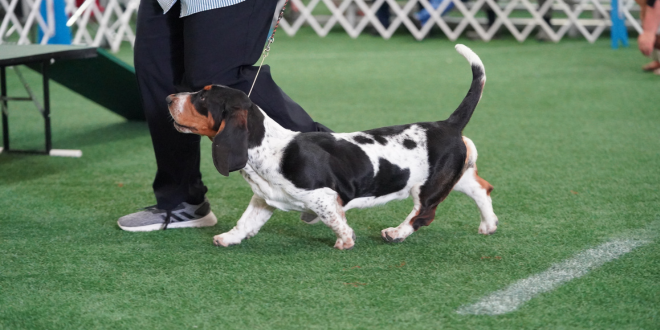
Possible Genetic Link to Intervertebral Disc Disease in Short-Legged Dogs
Intervertebral disc disease is a common concern in short-legged breeds. Research suggests a genetic component, making it important for breeders and owners to understand risks and make informed decisions for healthier dogs.
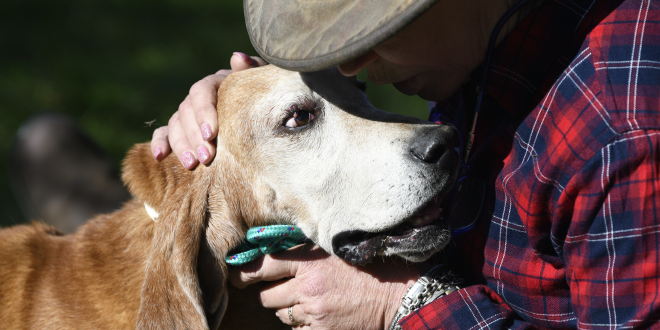
What is Lafora disease?
Lafora disease is a late-onset genetic neurological disorder affecting Basset Hounds, characterized by myoclonic seizures and progressive neurological symptoms. This page explains causes, testing options, and ongoing research efforts.