Despite a deliberate, unhurried manner and captivatingly clownish demeanor, the Basset Hound possesses great intelligence and what may often be viewed as stubbornness may more appropriately be attributed to an innate ingenuity.
In fact, the Basset excels at getting his way, from demanding a tasty morsel at the table to hurling his hefty 65 pounds into your lap! His overly long body, short legs and delightful wrinkles become a kaleidoscope of amusing expressions, all cleverly orchestrated to win us over. And win us over he does. Gentle and sociable in nature, the easygoing Basset Hound is loyal to master and family, devoted to children and mild-mannered and friendly towards other animals.
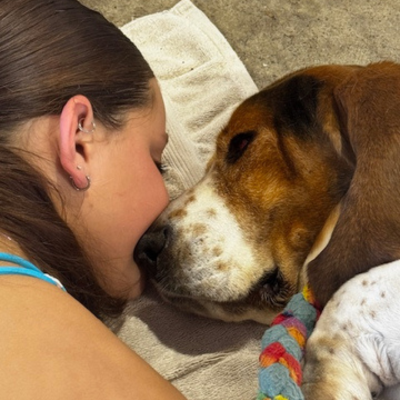
Personality and Physical Traits of the Basset Hound
Personality and Physical Traits of the Basset Hound
- Calm, good-natured and affectionate. Gets along well with people and other dogs and pets. Good with children. Loves to be a lap dog. Not a good guard dog.
- Sensitive and determined nature. A Basset takes punishment and reprimands to heart. Can be conveniently hard of hearing.
- Pack mentality. A single Basset may not do well left alone for long periods. For working owners, the company of another dog is the next best thing to having you there.
- A scent hound. The Basset was bred to trail game. His keen nose can lead him into dangerous situations such as the path of a speeding car or an unfenced swimming pool. The Basset is safest in a secure, enclosed area.
- Relatively low activity level. Healthy, trim Bassets have good energy levels, but they are also content to snooze away the afternoon in a patch of warm sun. Although this laid-back nature makes them desirable house pets, their weight must be kept in check. A daily walk with your Basset is recommended.
- A large, hefty dog, possessing more bone for its size than any other breed of dog. Although Bassets are low to the ground, they are not small dogs, with most ranging from 45 to 70 pounds. The average person will have a difficult time lifting an adult Basset Hound.
- A smooth-coated dog. A wash-and-wear dog who may be bathed as needed. Over bathing will strip the natural oil in this hunting hound. Bathe judiciously. Bassets are either tri-colored (a combination of black, white and tan) or red-and-white (a lighter red-and-white may be called lemon-and-white). Coat colors are distributed over the body in no particular pattern.
- Growing puppies have special needs. Until they are a year old, Basset puppies should not go up and down stairs or be allowed to jump on and off elevated objects such as couches, beds or porches. The joints of this heavy-boned breed are still forming and excessive stress or strain may cause permanent injury. After a year of age, these activities, within reason, are usually not harmful to your Basset.
- Short legs may mean a needed boost! Many, but not all, sturdy, low-slung Basset Hounds may require assistance getting into a car. The unique, low-stationed Basset does not excel at jumping.
- Long ears and droopy eyes need cleaning. Nails need trimming. The long ears of a Basset do not allow good circulation of air and can become infected if not kept clean. Owners should clean their dog’s ears once a week. The Basset’s droopy eyes should also be kept clean of debris and nails trimmed once or twice monthly.
Before making the decision to purchase a Basset Hound, ask yourself the following questions:
Before making the decision to purchase a Basset Hound, ask yourself the following questions:
- If you have been accustomed to dogs with high energy levels, will you be happy with the calm, even temperament of the Basset Hound?
- Bassets do not make good jogging companions and are not the best dog with which to have a game of catch. Will the Basset fit your lifestyle expectations?
- Because of their long ears, low-slung structure and hefty size, Bassets have special needs, including needing their ears cleaned weekly. Will you enjoy meeting these needs?
- Because they possess a hunting instinct, Bassets tend to roam and should be kept in a secure, fenced area. Are you able to provide this type of environment for your Basset?
- A single Basset may not do well when left alone for long periods. Will you have the time to give your Basset a great deal of attention and affection?
- The friendly, easy-going personality of the Basset makes him a poor guard dog. Is this acceptable to you?
- You understand that a Basset Hound can be an “independent thinker” and are not expecting perfect behavior at all times.
If you have answered yes to the above questions, a Basset Hound may be the right dog for you!
Learn More about the Basset Hound
Want to learn more about the Basset Hound? Try watching this beautifully narrated presentation that the Basset Hound Club of America uses to help educate judges, members and breeders. It will help you understand more about this fascinating breed. This is a large file, please be patient.

FAQ: What else should I consider before obtaining a Basset Hound?
I understand more about the breed. What else should I know about picking a Basset Hound as my family dog? What other factors do I need to think about? Click the (+) below to learn about the other things you might want to consider.
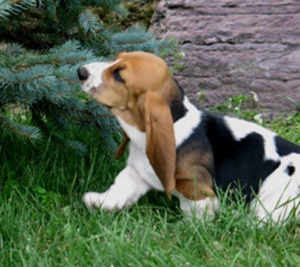 For the Basset Hound, it doesn’t really matter if you choose a male or female. Unlike some breeds, there is little difference in temperament and trainability of a male versus female Basset Hound.
As a practical matter, bitches tend to weigh on average, 5 to 10 pounds less than their male counterparts. Bitches, unless spayed will come into season approximately every six months. A male or female Basset Hound will make an excellent companion pet.
In terms of finding a Basset Hound, it is generally easier to find available males than females. If you leave the choice of male or female up to what a reputable breeder has available, you are more likely to find your new Basset sooner rather than later. Make sure that your breeder knows if you have other dogs in your home so they can help you make the right choice. Some breeders prefer that if you wish to have more than one dog in the household that you have a male and female, not both males or both females. It really depends on which you have, their personalities, temperaments and living situation.
Regardless of whether you are looking to show, do companion or performance events, or looking for a family pet, color shouldn’t matter.
There are many things to consider when deciding to bring a new dog into your home. If you have other full sized pets, will they be too big for a young puppy to play with, or would it be better to consider a young adult or more mature dog. (Young puppies have growth plates that can close due to injury, and can cause extreme unsoundness. It is best to keep them well supervised and protected until they are at least a year old.) Does your schedule allow the time it takes to train and housebreak a young puppy, or would you be better served to have one that has already been crate and leash trained? Work with your breeder and keep an open mind to determine what will work best.
The replacement of a beloved hound can be very emotional. It is normal to grieve the loss of a ‘family’ pet. The fact is, it will never be replaced. Trying to duplicate what you had before just isn’t a possibility. Sometimes it is best to get one that looks completely different. Your new Basset, given the opportunity, will become one of your family.
Most reputable breeders require that companion pets be spayed or neutered. For bitches, eliminating twice yearly seasons removes the threat of unwanted pregnancies, and helps lessen the chance for mammary tumors as well as other female disorders such as pyometra, a life threatening infection of the uterus. Neutering males keeps them more settled, eliminates them from being tempted by bitches in season, and lessens some potential health issues.
However, there are also potential long-term health risks if dogs are neutered TOO early. These can include hip dysplasia, cranial cruciate rupture, and some cancers. We recommend talking to BOTH your dog’s breeder and your vet about the pros and cons of timing your pet’s neuter.
While it may make a cute photo, bringing a puppy or adult Basset Hound (or any breed) into the home during the holiday season is not a good idea. The holidays are too busy with people coming and going, decorations that are tempting to chew and plants that are toxic. Any of these situations can lead to serious injury (including thousands of dollars in veterinarian bills) and even the death of your new puppy.
It is best to start with your new Basset during a quieter time when an uninterrupted training schedule can be maintained. Your puppy needs time to rest and be properly house-broken. Most reputable breeders won’t allow a puppy to go to its new home during the holidays and will be happy to hold your puppy for you.
You can provide a stuffed animal and future equipment as a present if you wish. Just wait until your home is quiet and safe to bring your new friend in.I just want a family pet.
Regardless of whether you wish to compete with your Basset Hound or are just looking for a family pet, it is important to get your Basset from a reputable BHCA Member Breeder. Many of the qualities that you wish for in a pet are the very same ones that reputable breeders are breeding for such as good temperament and a sound and health dog. Most breeders will try to match the personality and activity lever of the dog with the correct home.
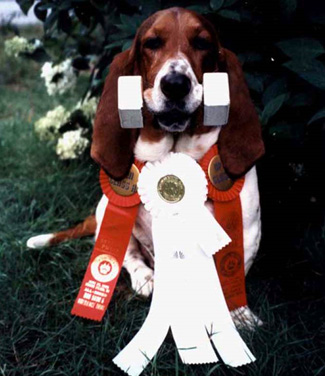 Most Bassets can compete or participate in many companion and performance events. If you are interested in participating in these events, try to work with a breeder that has participated in them as well or has the knowledge to know which puppy or adult is likely to that might be suitable.
Reputable, experienced breeders will be better equipped to advise you which dogs may have the aptitude, physical attributes and personality to be successful in a variety of these fun activities.
How do I purchase a show prospect?
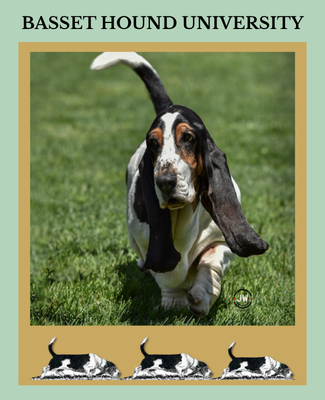
If you are considering a show prospect, do your homework first. Visit Specialty Shows or All Breed shows and meet various Basset breeders. Watch and learn. Take advantage of the educational opportunities on the BHCA Website to learn a bit about what the Basset Hound should be. Visit Basset Hound University and familiarize yourself with the Breed Standard and watch the Judges’ Education CD. It will give you a basic idea of what this breed should be.
Show prospects are often sold for a higher price than a pet quality dog. Details relative to the purchase of a show prospect should be clearly spelled out and written down in contract form in order to avoid confusion or problems down the line. Often the purchase of a show may involve future breeding rights.
If breeding rights are part of the sales agreement, it is important to specify expenses that the new owners will assume and those that the breeder will assume as well as how puppies may be chosen in a future litter, who will cover whelping costs, veterinary fees, etc.
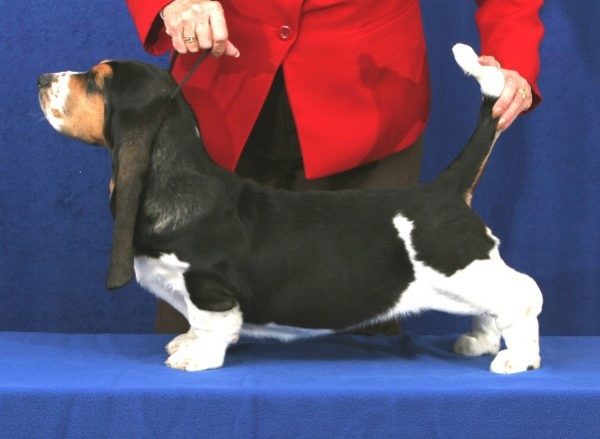
A couple of points concerning your search for a show puppy:
The availability of Basset show puppies is usually low, averaging one or two really good puppies in a litter.
The Basset Hound is a particularly changeable breed in its physical development from puppy to adult. It is safer to purchase an animal that is older (around 6 months) or has already been started to be shown and has a number of wins and points under its belt.
When considering the purchase of a show prospect, be aware that it is helpful if you can work with a trusted mentor that has the skills, time and interest in helping you make your way down this path. Make sure you find a breeder who will mentor you and help you learn the ropes. Many breeders are hesitant to trust a show prospect with an unknown novice. Take the time to meet the breeders and develop a relationship and be willing to learn.
While bitches are the foundation for a breeding program, you might consider starting with a male. Breeders are sometimes more likely to make a male prospect available than a bitch. Males can be easier to finish, and breeders will get a chance to know you better. When you are ready, they may be more likely to place a quality bitch with you.
Regardless of what you wish to do with your Basset Hound, whether it is to be a family pet, performance dog, companion dog, show dog, or any combination, welcome to the wonderful world of the Basset Hound.
Please use the resources and educational opportunities that are made available to you here on the BHCA Website or contact the BHCA for any questions you may have. The next step is to know what questions Breeders should ask Buyers and then what questions you should ask Breeders.